Standby Generators: A Trustworthy Method for Steady Power Provision
Power backup systems serve as a vital safeguard during grid failures. The generators work flawlessly, starting up immediately following an interruption. Powered by different energy types, they make certain operations continue during emergencies. Nevertheless, grasping their utility and characteristics is vital for achieving an informed decision. Which factors must be reviewed before acquiring this type of unit? The next segments discuss these important factors.
The Mechanics of Backup Power: The Functionality
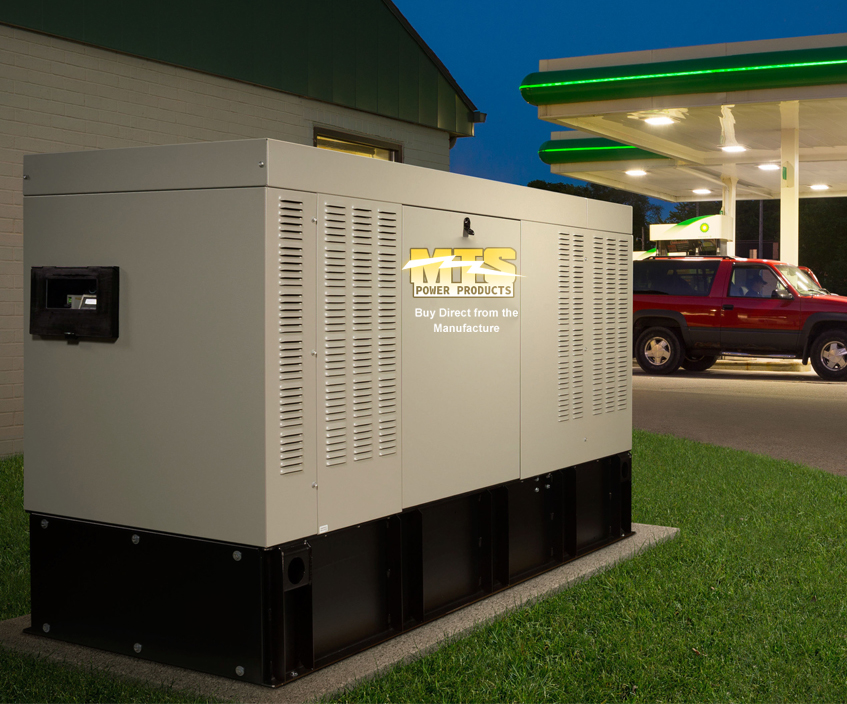
Automatic generators are vital systems that provide automatic backup power during outages. These units are usually placed outside a home or building, wired into the power grid and powered by diesel, propane, or natural gas. If an electricity outage happens, a standby generator detects the loss of electricity and activates within seconds. This action utilizes an ATS (Automatic Transfer Switch), which disconnects the home from the grid and connects it to the generator
(Portland Standby Generators)The unit subsequently generates power, providing energy to critical systems or the whole building, relative to its output. The majority of backup systems include an integrated surveillance feature which ensures correct operation and servicing. They can operate for extended periods, providing a reliable power source until utility power is restored. Grasping how backup generators work helps homeowners appreciate their role in enhancing energy security and lessening outages in the event of unforeseen blackouts
Why Install an Automatic Generator
Trustworthiness is a key feature when putting in a backup system, because it provides constant power during blackouts. This essential feature assures that facilities stay running, securing critical items and upholding livability. Additionally, these generators improve protection by mitigating grid failures that might cause dangerous conditions, such as frozen pipes or medical equipment failures.
Affordability is another benefit; while the upfront cost may be significant, the future financial benefits from avoided food spoilage, business interruption, and unexpected fixes can be significant. In addition, these generators boost the home's worth, positioning them as an desirable characteristic for potential buyers.
The ease of use is also important, as such systems turn on automatically during an outage, doing away with the requirement for manual intervention. This smooth performance enables homeowners to keep up their normal schedules without disruption. In summary, having a backup generator provides security, ensuring that power is always available when critical.
Essential Characteristics to Seek in a Generator Unit
In the process of picking a standby generator, multiple important characteristics need to be taken into account to guarantee peak performance and suitability for specific needs. First, the wattage capacity is crucial; prospective owners must figure out the needed capacity to run critical equipment during an outage. Furthermore, the type of fuel—whether natural gas, propane, or diesel—affects efficiency and operational costs.
Another important feature is the transfer switch, which allows for effortless switching and boosts reliability. Construction and longevity are key factors; a robust generator can handle severe elements.
Moreover, how loud it is needs evaluation, as less noisy generators are ideal for home environments. Some generators offer automatic start capabilities, providing convenience during sudden power failures. To conclude, support and coverage details must be examined, providing reliable support and maintenance. Through assessing these characteristics, future owners can pick a unit that satisfies their specific energy requirements effectively.
Elements to Evaluate Before Purchase
Prior to purchasing a standby generator, customers should carefully evaluate a few vital considerations to ensure they reach an informed decision. Portland Standby Generators. To start, they must evaluate their energy requirements by figuring out the necessary capacity to power essential devices during an outage. Secondly, the power source is important; choices are natural gas, propane, or diesel, each with unique advantages and supply concerns
Moreover, buyers should consider the generator's transfer switch, which facilitates seamless power transfer. Installation requirements are also important, as some generators may necessitate professional installation or acquiring a permit
Warranty and service options should not be overlooked, as these can greatly impact your satisfaction over time. Finally, potential buyers should evaluate the generator's noise levels, particularly if they reside in populated neighborhoods. article By examining these factors, buyers are able to choose a standby generator that fulfills their specific needs and preferences
Maintenance Tips for Your Standby Generator

Consistent upkeep is vital for guaranteeing ideal performance and longevity of a standby generator. Begin by checking the generator's oil levels, and replace the oil and filter following the guidelines provided by the manufacturer. Regularly check the air filter and change it when needed to guarantee optimal airflow. It is crucial to check the battery and clean any corrosion on terminals to maintain reliable starting power.
Run load tests from time to time to verify the generator manages its maximum load. Additionally, verify that the exhaust system is free of obstructions and leaks. Keeping the generator clean and free from debris will help prevent overheating and other issues.
Lastly, arrange for expert servicing at least once a year to fix any issues that might arise and conduct thorough checks. Adhering to these upkeep guidelines will significantly prolong the life of a standby generator, offering reassurance when the power goes out.
Frequently Asked Questions
How Much Do Standby Generators Typically Cost?
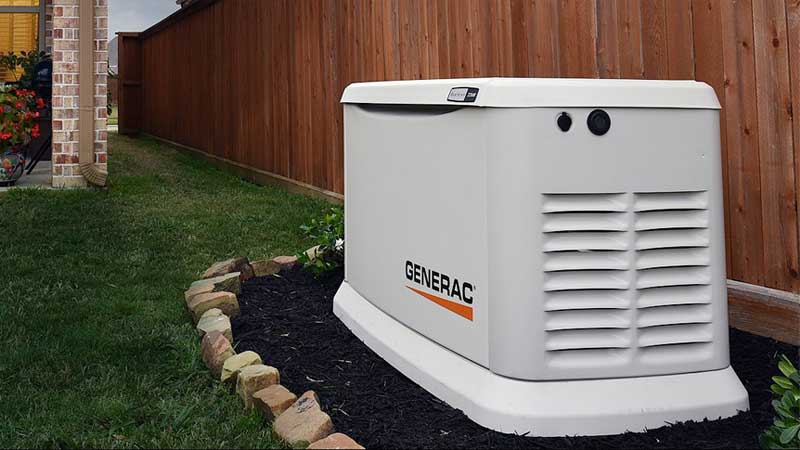
Standby generators typically cost in price from $2,000 to $15,000, depending on factors such as the brand, power output, and complexity of installation. Other expenditures might cover maintenance, permits, and the cost of fuel tanks, influencing the overall investment required.
Is Self-Installation of a Standby Generator Possible?
Installing a standby generator oneself is possible, but you must have knowledge regarding local codes and electrical wiring. Experts suggest hiring a professional to guarantee safety, compliance, and ideal performance of the generator installation.
Which Types of Fuel Power Standby Generators Use?
Standby generators commonly run on energy sources such as natural gas, propane, diesel, or gasoline. Portland Standby Generators. The choice of fuel is frequently influenced by the cost, availability, and particular power requirements, influencing the efficiency and performance of the generator
Are Permits Necessary for Installation?
Permits are frequently necessary for the installation of standby generators. Regulations vary by location, so it is crucial for contractors or homeowners to check with local governing bodies to guarantee compliance with all relevant codes and requirements.
What is the Maximum Continuous Runtime Continuously?
A standby generator can run continuously for different lengths of time, most commonly lasting 24 to 48 hours, based on the load demands and fuel availability. Consistent servicing provides optimal functioning and extended lifespan during long running times.